
Article: Why your wine deserves the right temperature
Why your wine deserves the right temperature
Of all the choices made between the cellar and the glass (the glass, the decanter, the moment the cork comes out), temperature changes a wine the most. The same bottle can taste closed and thin, balanced and generous, or heavy and hot, and the only thing that moved is a few degrees.
The winemaker tasted that wine at a particular temperature while deciding when to pick, how long to ferment and whether to use oak. Serving it near that temperature is simply the way to taste what they made.
What temperature actually does
Wine is a balance of a few elements: aroma, acidity, sweetness, tannin, alcohol and body. Temperature doesn't change any of them in the bottle. It changes how each one reaches you.
Aroma is carried by volatile compounds, and warmth releases them. Cold holds them back, which is why a very cold white can smell of almost nothing.
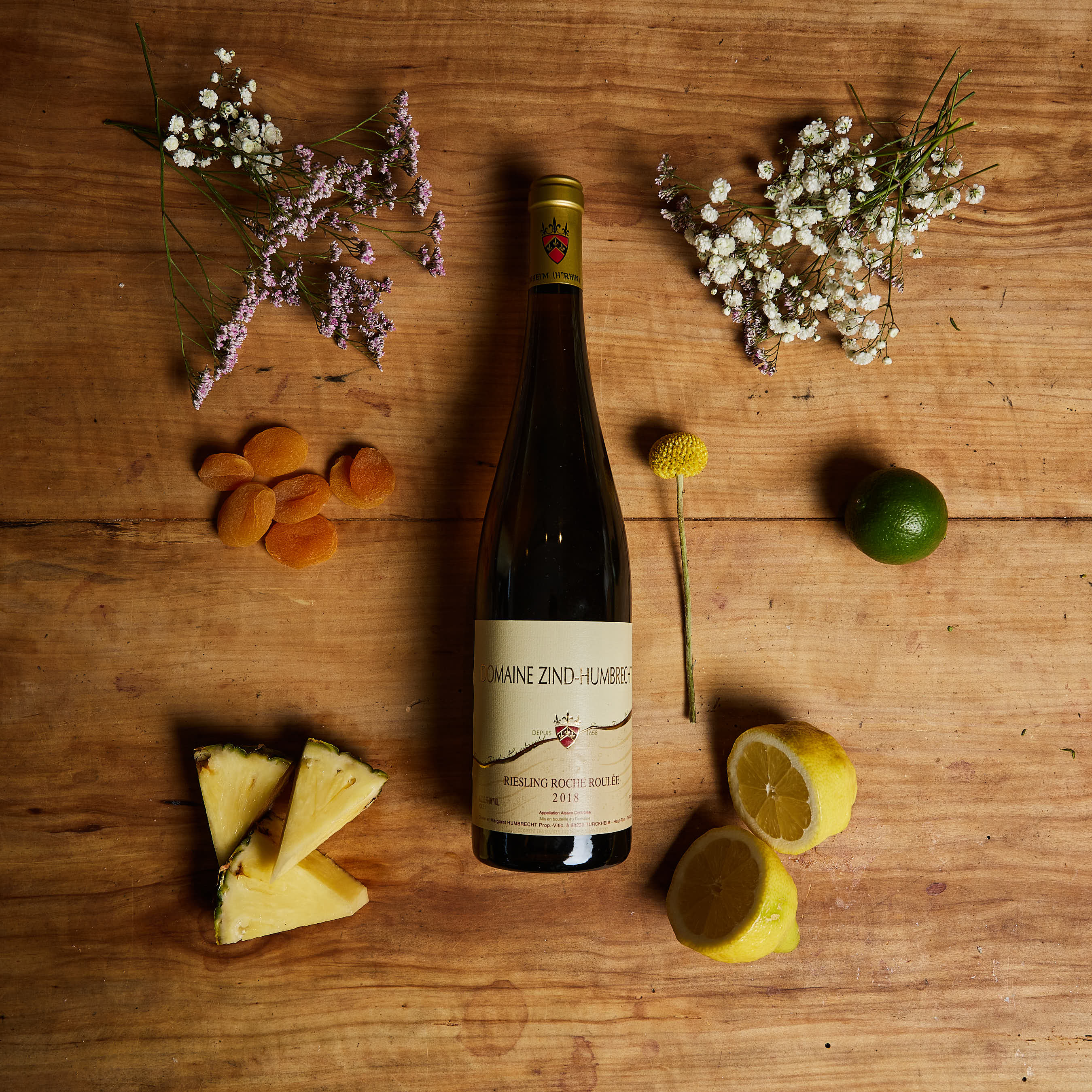
Acidity reads as fresh and bright when a wine is cool, and softer as it warms. That's why crisp whites and sparkling wines belong low in the range.
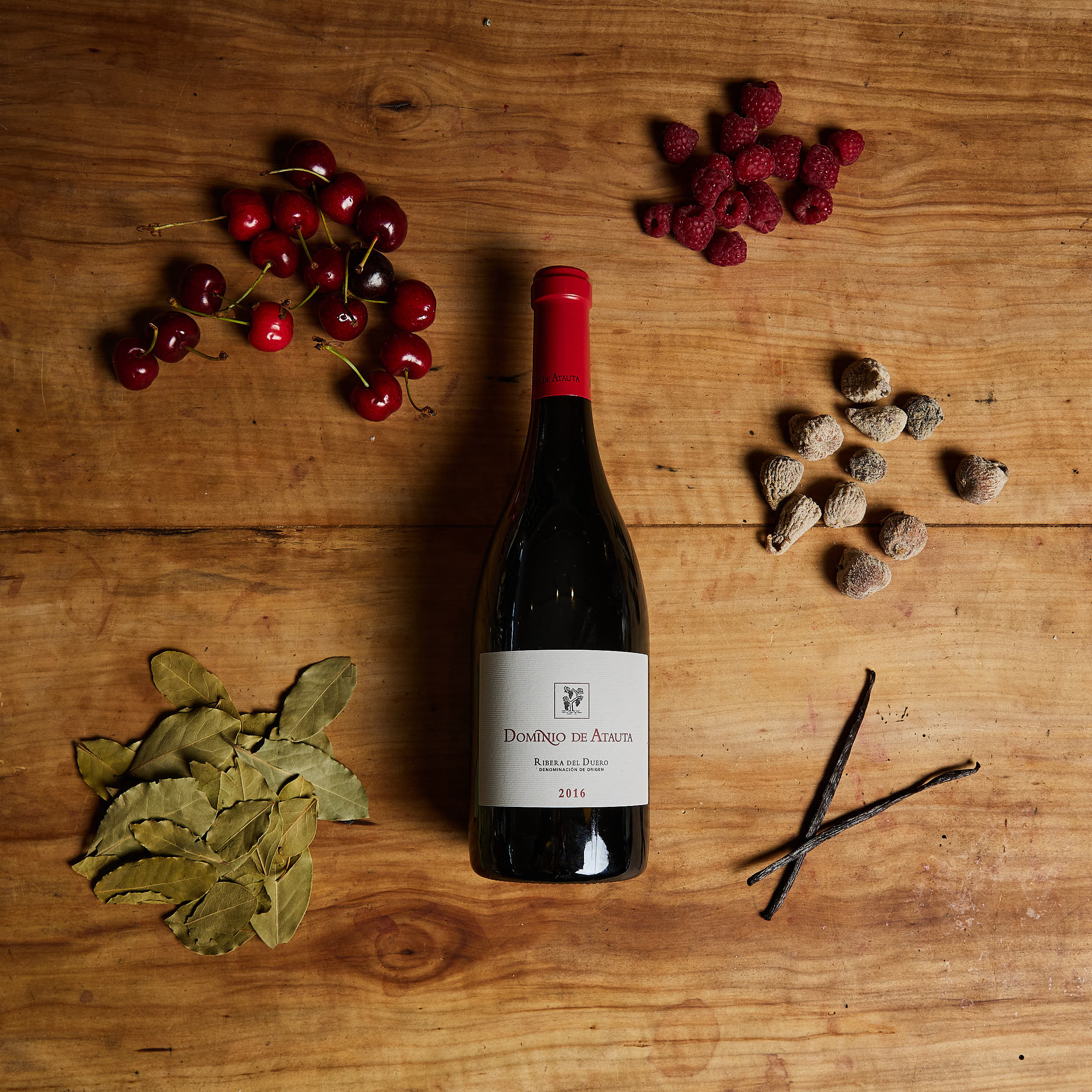
Tannin, the drying grip in red wine, does the opposite. Cold makes it firmer and more bitter; a little warmth makes it smoother and more focused. That's why structured reds need the warmest band of all.
Alcohol becomes more noticeable as a wine warms. Above about 18 °C it starts to push past the fruit, and a good red can taste heavy and jammy.
Body needs some warmth to show. A rich white served too cold feels thin and watery. Served a few degrees warmer, the texture comes back.
The two habits worth rethinking
Most of us learned two rules: whites from the fridge, reds at room temperature. Neither is quite right.
A domestic fridge sits at around 4–5 °C, colder than almost any wine wants. Straight out of it, a white is often too cold to show its aroma, and a fuller white like an oaked Chardonnay loses most of its texture.
"Room temperature" dates from rooms that were a lot cooler than ours. At 21 or 22 °C a red is several degrees too warm. The alcohol stands out and the fruit turns soft. Even the fullest reds show best a little below that.
Where each style shows best
Wine professionals work with bands rather than single numbers. These are the ones we use:
| Style | Band | For example |
|---|---|---|
| Champagne & sparkling | 6–10 °C | Champagne, crémant, cava |
| Crisp white | 7–10 °C | Sauvignon Blanc, Riesling, Albariño |
| Rosé | 8–12 °C | Provence rosé, rosato |
| Fuller white | 10–13 °C | Oaked Chardonnay, white Burgundy, Viognier |
| Light red | 12–14 °C | Pinot Noir, Gamay, Frappato |
| Structured red | 14–16 °C | Barolo, Bordeaux, Cabernet Sauvignon |
Within a band there's room for taste. A vintage champagne opens up toward the top of its range; a simple, fresh white is happiest at the bottom. Go by how the wine tastes: if it seems closed, let it warm a degree; if it seems heavy, cool it down.
The part nobody plans for
Getting a bottle to the right temperature is only half of it. Once it's open on the table, a chilled wine warms toward the room, and a glass warms faster than the bottle. The first glass can be perfect and the third a different wine.
An ice bucket works in the other direction. It keeps cooling toward freezing, whether the bottle holds champagne or a red that should stay at 15 °C.
We made the GRAD No.1 to close that gap. You set it to a degree between 5 and 20 °C, and it holds the bottle there from the first glass to the last. It works best with a bottle that goes in already chilled. Its job is to hold the temperature, not to chill from warm.
However you manage it, the principle is the same: pour the wine at the temperature it was made to be tasted at.
,%20temperature%20changes%20a%20wine%20the%20most.%20The%20same%20bottle%20can%20taste%20closed%20and%20thin,%20ba...)