Article: The winemaker's expertise
The winemaker's expertise
Ask a winemaker what their job is and many will say it's mostly about not getting in the way. The fruit and the place do the work; the winemaker's skill lies in knowing when to act and when to leave things alone.
That modesty hides a lot of expertise. Between harvest and bottling there are hundreds of decisions, nearly all of them made the same way: by tasting.
The decisions that shape a wine
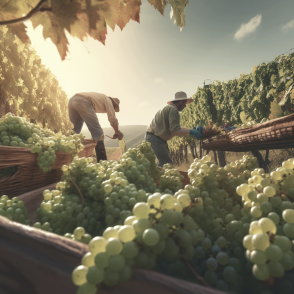
When to pick. Sugar, acidity and flavour ripen at different speeds. The winemaker tastes grapes in the vineyard for weeks and picks when the balance is right for the wine they have in mind, not when the numbers look ideal.
How to ferment. Temperature during fermentation is one of the strongest levers there is. A white fermented cool and slow keeps its delicate aromatics. A red fermented warmer extracts more colour and structure from the skins. Some cellars ferment with wild yeasts, some with selected ones. Each choice changes the aroma.
What to age it in. Stainless steel keeps a wine precise and fruit-led. Old oak adds texture without much flavour. New oak brings spice, vanilla and toast. How long the wine stays, and whether it sits on its lees, adds weight and complexity.
How to blend. In many regions the final wine is assembled from several grapes, plots or barrels. It's often the most skilled step of all: a sample from one barrel, a sample from another, tasted side by side until the whole is better than any part.
Tasting in the cellar
Visit a cellar and you'll notice the cool. Most sit somewhere around 10–14 °C, and barrels and tanks are sampled at that temperature. The winemaker's palate is set there, and every judgement about acidity, fruit and tannin is made there.
It's no coincidence that this sits right in the middle of the range wine is best served in. Whites and sparkling wines go a little cooler to stay fresh. Structured reds go a little warmer so the tannin softens. But the reference point is the cellar.
What that means for the glass
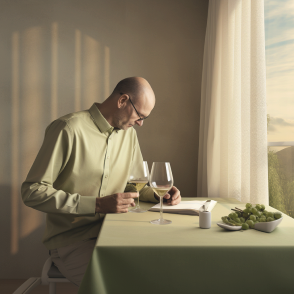
When a winemaker describes their wine as fresh, balanced or silky, they mean it at the temperature they tasted it. Pour the same wine at 22 °C and the alcohol comes forward. Pour it straight from a 4 °C fridge and the aroma disappears. Neither is the wine they made.
Serving temperature isn't about rules. It's the simplest way to meet the winemaker halfway: to taste the balance they spent a year getting right.
These are the bands we work with:
- Champagne and sparkling: 6–10 °C
- Crisp whites: 7–10 °C
- Rosé: 8–12 °C
- Fuller whites: 10–13 °C
- Light reds: 12–14 °C
- Structured reds: 14–16 °C
With the GRAD No.1 you set the number and it holds it, anywhere from 5 to 20 °C. The wine stays the way it was made, from the first glass to the last.
Part of a short series on the chain behind a bottle. See also Craftsmanship, from vine to glass and Soil and climate.