Soil and climate
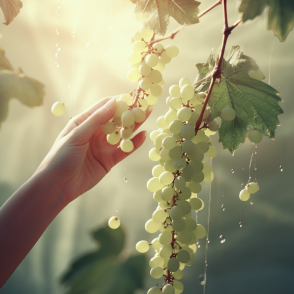
The French have a word for it that other languages borrowed rather than translated: terroir. It's the idea that a wine carries its place: the ground the vines grow in, the weather they live through, and the way people have learned to farm there.
It can sound romantic. In the glass, it's surprisingly concrete.
The ground
Vines do best on poor soils, where they have to push their roots deep for water. What those roots meet shapes the wine.
Limestone and chalk hold water and keep a wine's acidity high. They're behind the tension of Champagne and the saline, precise Chardonnay of Chablis.
Slate absorbs the day's heat and gives it back at night. On the steep slopes of the Mosel, it lets Riesling ripen in a climate that would otherwise be too cool, while keeping its bright acidity.
Granite drains fast and tends toward fine, fragrant wines. It gives the best Beaujolais crus their perfume and their silky tannin.
Schist, broken into terraces by hand in the Douro Valley, forces vines to struggle, and produces dark, concentrated reds.
The weather
Climate decides how grapes ripen. In cooler regions they ripen slowly, keeping acidity and gaining subtle aromatics: think Chablis, the Mosel, Champagne. In warmer regions they ripen fully, bringing more sugar and so more alcohol and body.
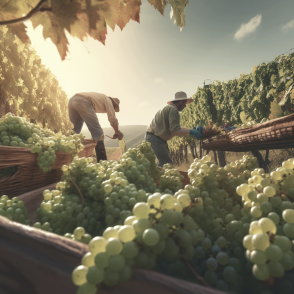
The detail that matters most is often the difference between day and night. Warm days build flavour; cool nights preserve freshness. It's why so many great wines come from hillsides, riversides and coasts, where the nights stay cool even after hot afternoons.
From place to glass
Here's the part that connects to serving. The character a place gives a wine points almost directly to the temperature it shows best at.
- Cool-climate, high-acid wines like Chablis, Mosel Riesling and Albariño are built on freshness. Serve them cool, 7–10 °C, so the acidity stays taut and the aromatics lift.
- Champagne and sparkling wines, from chalk and cool climates, belong at 6–10 °C, where the bubbles stay fine.
- Riper, fuller whites from warmer sites, like oaked Chardonnay and Viognier, need 10–13 °C to show their texture.
- Light, granite- and limestone-grown reds like Beaujolais and Pinot Noir are fragrant and delicate. They want a real chill, 12–14 °C.
- Structured reds from warm, poor soils, like Douro, Barolo and Bordeaux, have tannin to tame. They open at 14–16 °C.
Serve a Mosel Riesling too warm, and the place disappears into sweetness. Serve a Barolo too cold, and its tannin clamps shut. At the right temperature, you can taste where the wine came from.
That's what the GRAD No.1 is for. You set the band the wine belongs in, anywhere from 5 to 20 °C, and it holds that temperature while the bottle is open.
Part of a short series on the chain behind a bottle. See also Craftsmanship, from vine to glass and The winemaker's expertise. For six regions worth knowing, see The GRAD Journal, No. 002.